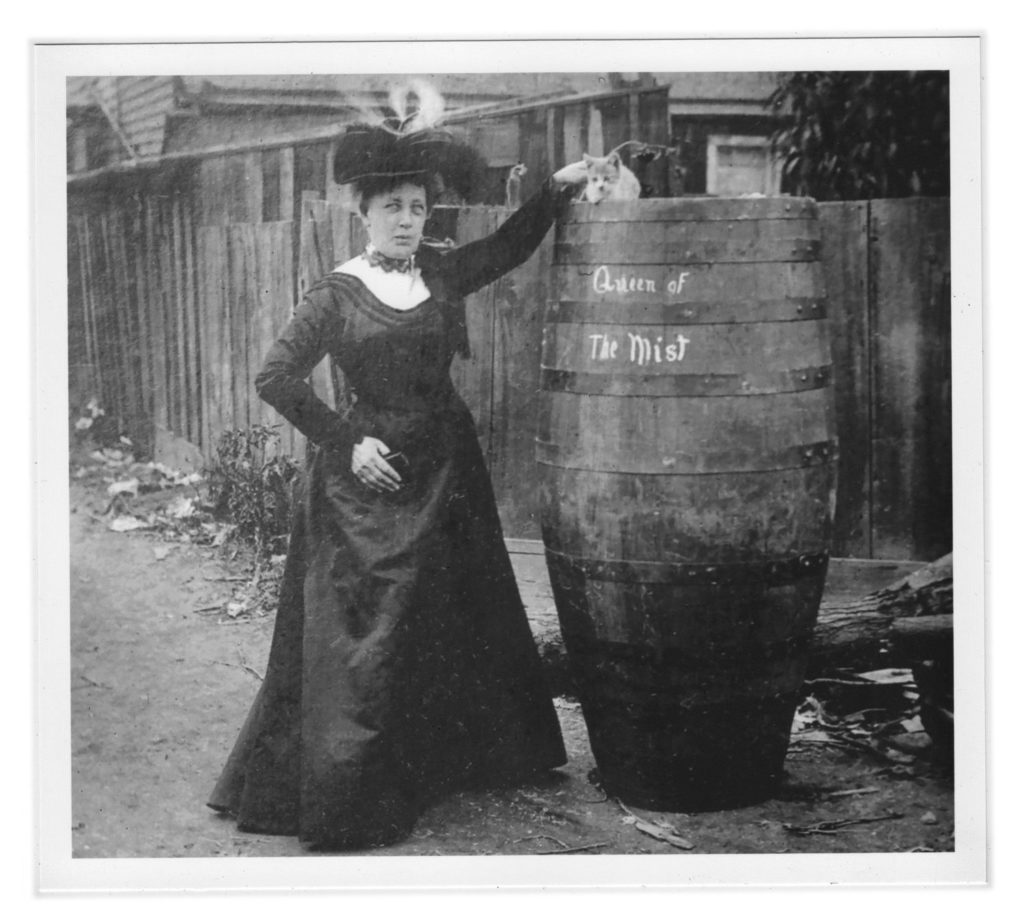
But the story of Annie Edson Taylor, who had her 15 minutes of fame in 1901, when she was 62, going over Niagara’s 160 foot Falls in a barrel of her own design, pumped full of oxygen and stuffed with pillows, and lived to tell the tale.
This is the woman, who when her stagecoach was robbed refused to disclose the $800 tied in the seams of her dress. A widow, facing poverty, she went over the falls as a way to make some cash, and succeeded for awhile, before she lost it to unscrupulous managers. It was hard to make and keep a buck as a woman in 1901.
It seems like a good story for a poem; let me know if you write one.
A friend sent me a copy of this poem by Nathan McClain, and I am just now getting around to posting it.
He has some other interesting love elegies on his publications page, cited above.
Love Elegy with Busboy
The whole mess — pair of chopsticks pulled apart, tarnished pot of tea, even my fortune (which was no good) — we left for the busboy to clear. I’d probably feel more guilty if he didn’t so beautifully sweep our soiled plates into his plastic black tub and the strewn rice into his palm. The salt and pepper shakers were set next to each other again. A new candle was lit. You’d never know how reckless we’d been, how much we’d ruined. With the table now so spotless, who’s to say we couldn’t just go back? Who says we can’t start over, if we want?
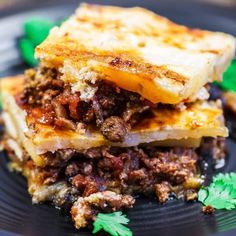
I read the Wednesday food section of the NY Times and occasionally try one of the recipes. This week, I tried a recipe by Yotam Ottolenghi for moussaka. I’ve been making moussaka for years based on a recipe by Craig Clairborn from the old NY Times Cookbook. That recipe calls for slicing and salting the eggplant and setting it in a strainer to drain for 15 minutes or so, which reduces the liquid in the eggplant and takes away the bitterness.
Then you fry the eggplant slices in olive oil first before adding them to a casserole with a ground lamb tomato sauce and covering with a bechamel that includes fresh ricotta. It’s delicious, reliable, and a bit fiddly to make.
I decided to try the new recipe because it was much simpler: cube the eggplant, add the lamb, onions, tomato, etc. to a pot and roast together, then top with a mix of yoghurt, cheese and egg yolk.
But I’m always wary when they leave out one of the ingredients in the prep instructions–in this case, they left the garlic out of the big roasting mix. Also, on tasting, I had to add a little honey to offset the bitterness the salting hadn’t taken care of.
The resulting moussaka wasn’t bad, but it wasn’t nearly as good as Craig Clairborn’s recipe, and really not that much easier. So here is a link to the old standby if you’re feeling like some moussaka.
I have read this poem by Heather McHugh several times in several places, but most recently as part of an essay in Sewanee Review.
She says this about it: “I’ve read this poem now a hundred times to audiences…but I revisit it to relive it, to remind my own tenacious habits how a nourishment abides inside its stubbornest unknowns, inside another person’s mind.”
What He Thought
for Fabbio Doplicher
We were supposed to do a job in Italy and, full of our feeling for ourselves (our sense of being Poets from America) we went from Rome to Fano, met the mayor, mulled a couple matters over (what’s a cheap date, they asked us; what’s flat drink). Among Italian literati
we could recognize our counterparts: the academic, the apologist, the arrogant, the amorous, the brazen and the glib—and there was one
administrator (the conservative), in suit of regulation gray, who like a good tour guide with measured pace and uninflected tone narrated sights and histories the hired van hauled us past. Of all, he was the most politic and least poetic, so it seemed. Our last few days in Rome (when all but three of the New World Bards had flown) I found a book of poems this unprepossessing one had written: it was there in the pensione room (a room he’d recommended) where it must have been abandoned by the German visitor (was there a bus of them?) to whom he had inscribed and dated it a month before. I couldn’t read Italian, either, so I put the book back into the wardrobe’s dark. We last Americans
were due to leave tomorrow. For our parting evening then our host chose something in a family restaurant, and there we sat and chatted, sat and chewed, till, sensible it was our last big chance to be poetic, make our mark, one of us asked “What’s poetry?” Is it the fruits and vegetables and marketplace of Campo dei Fiori, or the statue there?” Because I was
the glib one, I identified the answer instantly, I didn’t have to think—”The truth is both, it’s both,” I blurted out. But that was easy. That was easiest to say. What followed taught me something about difficulty, for our underestimated host spoke out, all of a sudden, with a rising passion, and he said:
I have been working on arranging a memorial at Marin Poetry Center for Linda Gregg, and also received word that my old friend died this week. So elegies are on my mind. Here is a beauty by Rachel Eliza Griffiths.
Elegy, Surrounded by Seven Trees
for Michele Antoinette Pray-Griffiths
Ordinary days deliver joy easily again & I can’t take it. If I could tell you how her eyes laughed or describe the rage of her suffering, I must admit that lately my memories are sometimes like a color warping in my blue mind. Metal abandoned in rain.
My mother will not move.
Which is to say that sometimes the true color of her casket jumps from my head like something burnt down in the genesis of a struck flame. Which is to say that I miss the mind I had when I had my mother. I own what is yet. Which means I am already holding my own absence in faith. I still carry a faded slip of paper where she once wrote a word with a pencil & crossed it out.
From tree to tree, around her grave I have walked, & turned back if only to remind myself that there are some kinds of peace, which will not be moved. How awful to have such wonder. The final way wonder itself opened beneath my mother’s face at the last moment. As if she was a small girl kneeling in a puddle & looking at her face for the first time, her fingers gripping the loud, wet rim of the universe.
It was a crazy week, including travel to the writers conference in Portland, so I missed the Monday vitamin for all of you. But here you go with a lovely poem by Julie Bruck.
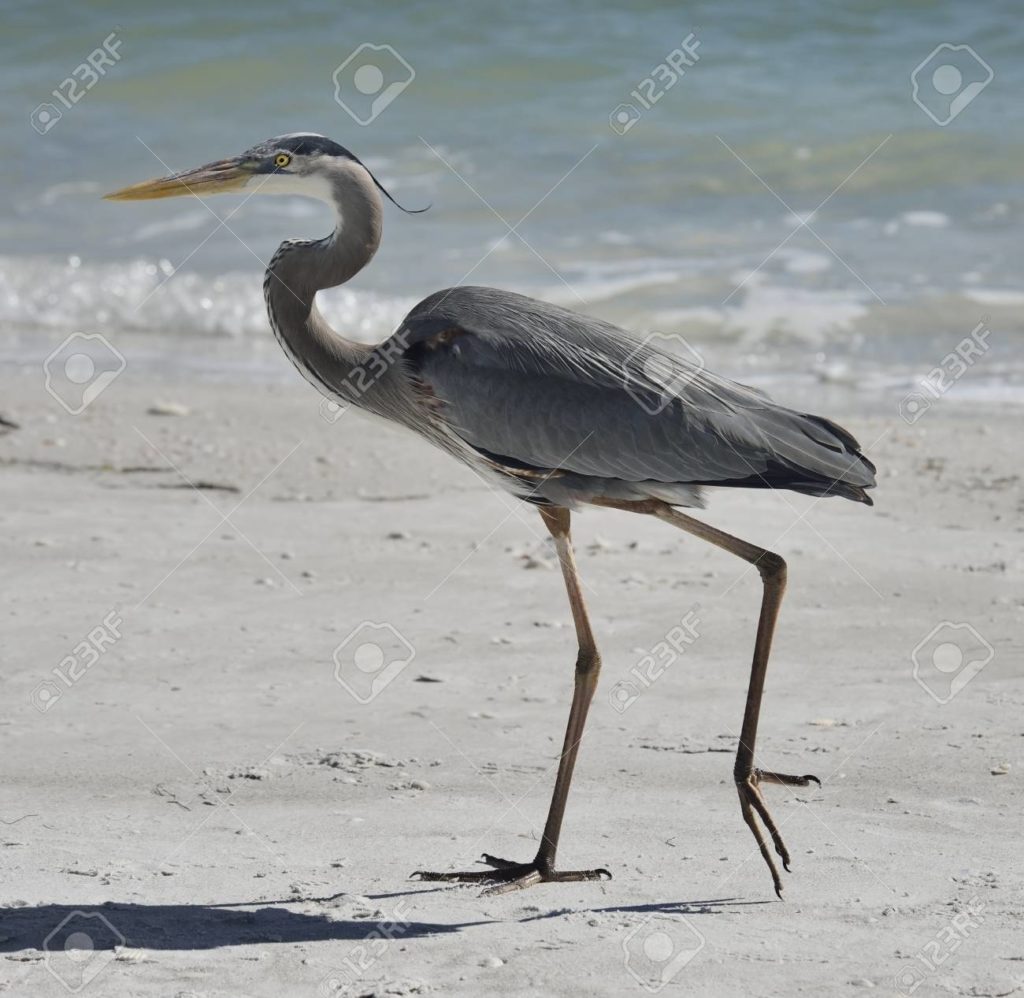
Blue Heron Walking
Not one of Mr. Balanchine’s soloists had feet this articulate, the long bones explicitly spread, then retracted, even more finely detailed than Leonardo’s plans for his flying machines. And all this for a stroll, a secondary function, not the great dramatic spread and shadow of those pterodactyl wings. This walking seems determined less by bird volition or calculations of the small yellow eye than by an accident of breeze, pushing the bird on a diagonal, the great feet executing their tendus and lifts in the slowest of increments, hesitation made exquisitely dimensional, as if the feet thought themselves through each minute contribution to propulsion, these outsized apprehenders of grasses and stone, snatchers of mouse and vole, these mindless magnificents that any time now will trail their risen bird like useless bits of leather. Don’t show me your soul, Balanchine used to say, I want to see your foot.
Two amazing poets died this week, W. S. Merwin and Linda Gregg. I have posted several of Merwin’s poems before. Somehow though, I never have posted a poem by Linda Gregg. Here’s a sample:
Death Looks Down
Death looks down on the salmon A male and female in two pools one above the other The female turns back along the path of water to the male does not touch him and returns to the place she had been I know what Death will do Their bodies already sour and ragged Blood has risen to the surface under the scales One side of his jaw is unhinged Death will pick them up Put them away under his coat against his skin and belt them there He will walk away up to the path through the bay trees Through the dry grass of California to where the mountain begins Where a few deer almost the color of the hills will look up until he is under the trees again Where the road ends and there is a gate He will climb over that with his treasure It will be dark by then But for now, he does nothing He does not disturb the silence at all Nor the occasional sound of leaves of ferns touching of grass or stream For now he looks down at the salmon Large and whole Motionless days and nights in the cold water Lying still Always facing the constant motion
This wonderful poet is coming to read here next week. I have posted one of her poems before, but thought I’d post another, from her book “The Dig.” This poem, as many in the book describe a childhood at the edge, with unreliable caretakers. The description of “wringing of every cent from every dollar,” resonated with me, and I love the details of the description.
The Red Kimono
I stare at the brass scarred by beating until it is as bright and uneven as a lake in August when the sun melts all reflections into one wide gold zero, when the sky itself is wide, is hot as the bell that this schoolmaster, inappropriately strict, tips to summon the children from the unrelenting heat of noon. The long tape unrolls from the teeth of the adding machine onto the scarred deal. Over and over the budget unreels and spills, liberated from the sprockets and machinery of will. My mother sits with a pencil and ticks her teeth, we are broke, every avenue of escape is closed, even the car tires at the curb are fat black zeros, all the scheming and coaxing, the wringing of every cent from every dollar, has come to nothing. I watch my mother swab up the dust, her hair tied in a rag, her naked feet, nails bloodied by a tiny brush. Misery, misery, the cranes of good luck hunch at the snowy mountain of her left breast as she bends to set the empties on the step in the housecoat the landlady lent.
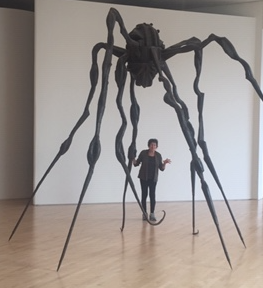
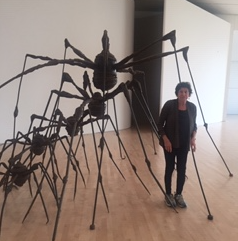
I have been wanting to see Louise Bourgeois’ massive bronze spiders at the remodeled San Francisco Modern Museum of Art, and finally got there this week. They were as wonderful as I expected, muscular, dynamic, fun.
The bonus was the Vija Celmins retrospective. Her work starts as representations of single objects (very moving, somehow, painted with love on gray backgrounds) and moves into meticulous graphite representations of the ocean, the desert floor, the night sky. All very tenderly, lovingly done.
I subscribe to several “poem-a -day” sites, and once in awhile, discover a poet I don’t know whose work interests me, as this morning, a poem by an Irish poet.
Makebelieve
And on the first day god made something up. Then everything came along:
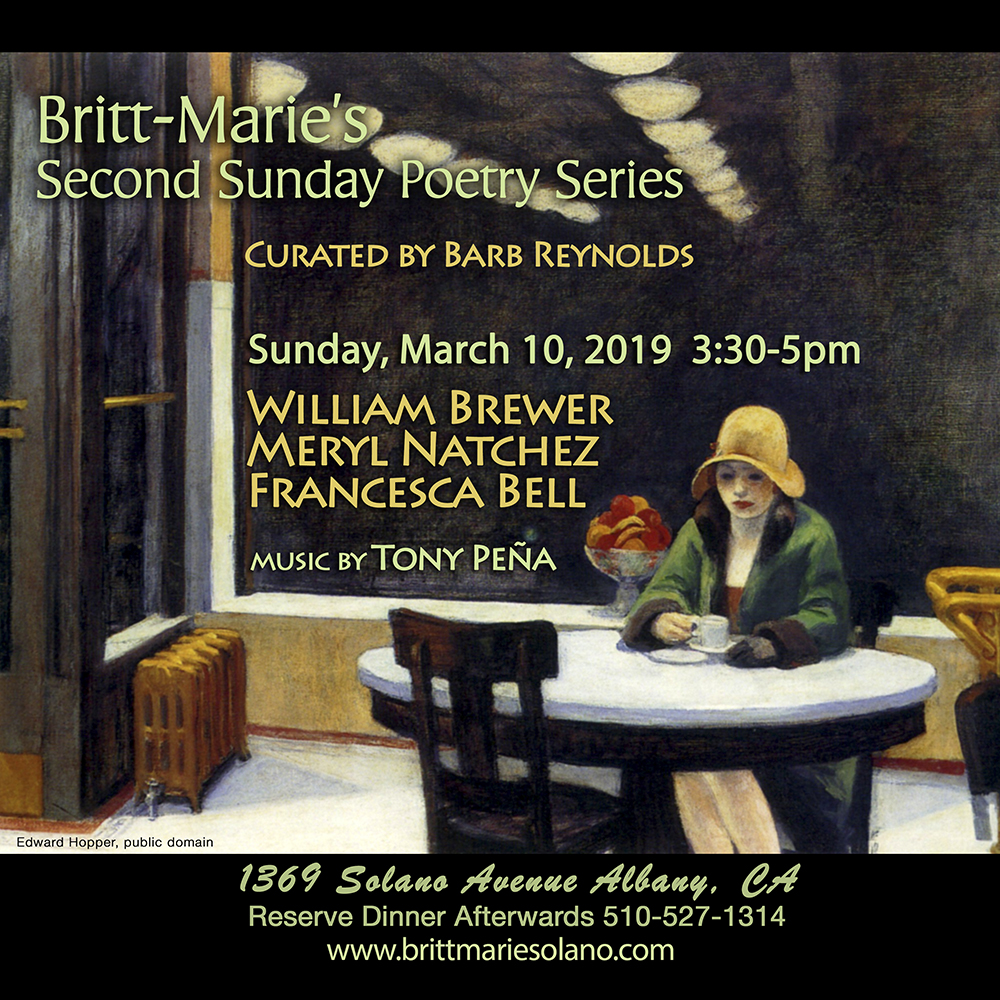
I’m excited about this upcoming reading because I’m reading with two terrific poets in a very congenial setting, Britt Marie’s Wine Bar on Solano. Here are the details.