I reverse-engineered this delicious salad after Larry began bringing it home from Poulet, in Berkeley. It changed how I feel about kale. It takes a bit of prep, but what else is there to do?
Kale Salad
1 bunch flat (Lacinanto) kale
a wedge of red cabbage (about 1/4 as much as you have kale)
1 large or 2 smaller carrots
1 apple
a chunk of jicama or yacon
handful of roasted pine nuts, raisins
grated ginger
Peach or other sweet vinegar
Olive oil
salt, pepper. a bit of sugar
Slice the kale and cabbage into thin strips–think of bean sprouts–long and skinny. Grate or julienne the carrot, apple and jicama. Add nuts and raisins. With a microplane or other fine grater, grate in ginger to taste.
Make a dressing with good oil and a sweet vinegar, add salt, pepper, a bit of sugar to make a sweet dressing and dress the salad. The sweet dressing offsets the bitterness of the kale. Dress to taste. Sorry, this always gets eaten before I remember to take a picture. But it’s lovely and colorful as well as delicious.
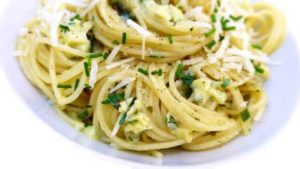 About the simplest comfort food I know is pasta. For a quick, delicious dinner, you can make a sauce of melted butter, garlic, salt and herbs, and simply toss cooked spaghetti with it.
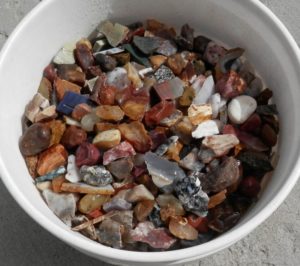 This poem came to me from one of the many poem of the day services, and I really like it, so thought you might, also. It grabs me with its elbows and angles and I know that process of rubbing against the rough edges when you live with someone. I think this is a beautiful exposition with a terrific metaphor running through it.
 Ross Gay is a sincerely upbeat poet, optimistic but never smarmy. Here is his poem from Bringing the Shovel Down (University of Pittsburgh Press, 2011).
 I know everyone is posting moving, relevant poems right now. But I thought a little levity would be more useful. Here are some favorites from a list of “Rules of the Blues:”
 When You Can Get It
 Henri Cole has written many powerful poems, but “Radiant Ivory” is one of my favorites, starting with the title, which seems so vibrant just on its own. I think it is the specificity of the language that makes the poem come to life for me. Phrases like “perforated silver box,” and snow as “white, insane, slathery,” reflecting the poet’s inner turmoil: