 I have just finished reading Natalie Diaz’ first book, My Brother Was an Aztec. The poems are powerful, the imagery lush and unusual, but the subject matter–addiction, pain, the struggle with family and poverty–is told in unsparing detail. So I thought I’d start of 2020, a year that itself promises to be harsh, with one of her poems from the book:
The Beauty of a Busted Fruit
When we were children, we traced our knees,
shins, and elbows for the slightest hint of wound,
searched them for any sad red-blue scab marking us
both victim and survivor.
All this before we knew that some wounds can’t heal,
before we knew the jagged scars of Great-Grandmother’s
amputated legs, the way a rock can split a man’s head
open to its red syrup, like a watermelon, the way a brother
can pick at his skin for snakes and spiders only he can see.
 There was a time in my life when I wanted very much to know the future. I went to many psychic readers of various kinds, from carnival tents, to very “serious” future tellers. As it is now, one day at a time is enough!
 this poem still resonates. I love that it is a sonnet, and how that definition can stretch and morph.
 Something about the way this word is often used sets my teeth on edge–a whiff of self-satisfaction? Of hypocrisy? In any case, that made me doubly pleased to find a poem by Jon Davis with this title that I like without those reservations. It seems appropriate for today, especially as he is the director of the low residency MFA in Creative Writing at the Institute of American Arts:
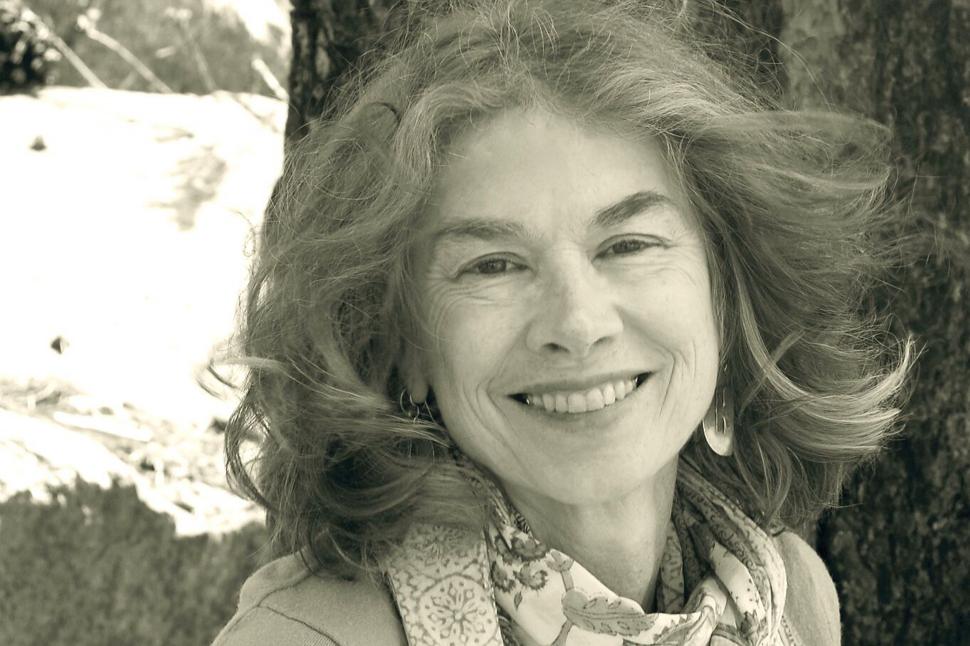 This excerpt is from Brenda Hillman’s most recent book, Extra Hidden Life Among the Days. I had a hard time with it at first, but took a workshop that helped me understand the poems are about struggling to come to terms with the ecological disasters of the current moment, trying to find a way to make poetry in the midst of political, social, and natural disaster. Here’s a brief section from the book:

 God Is Not Right, He Is Big
 This form, from the Japanese, was originally mostly used for travel journals–prose, then a haiku. But in English-language hands, it has become slipped into a looser form, a new way to write about whatever. Here’s one I particularly like: