Alchemy and hot fat

It’s easy to make jam–just fruit, sugar and cook until thick. You don’t have to worry much about it–it can be a little dense or a little runny, but it still spreads.  Jelly is a different thing entirely; you have to get the timing just right or you have syrup or cement. With jelly, an alchemical change takes place, which is nowhere more dramatic than with pineapple guavas.
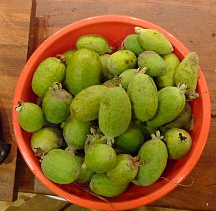
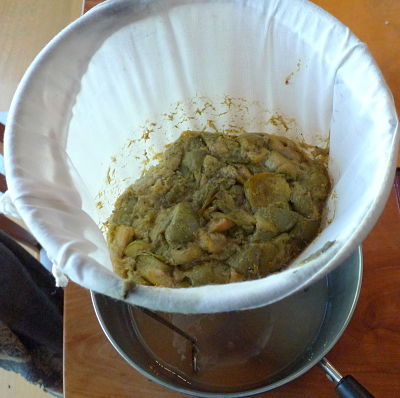
These little green ovals aren’t wonderful raw, and as you cook them up, they look like the most unappetizing murky greenish-brown glop. The strained liquid doesn’t look much better.


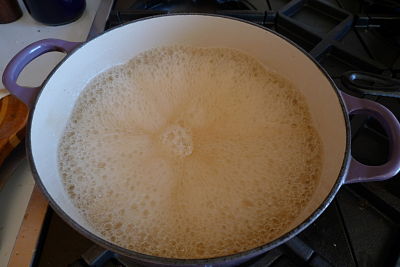
But after it boils up over 200 degrees, it transforms. In the bubble and seethe, it changes to a clear pinkish gold liquid.
Continue reading “Alchemy and hot fat”

Rainy day projects

When I was in college, I briefly got a free room in a wonderful old farm house outside Cambridge in exchange for being a housekeeper for a bunch of Harvard business school grad students. (One of them was Wally Haas–the Levi’s scion.) I can’t imagine they were very happy with the arrangement because I knew nothing about housekeeping, and very little even about neatness. I can’t remember whether I was supposed to cook as part of the deal, but I do remember having some big dinner event for which I roasted a chicken. The chicken was beautiful on the outside, but bloody juices spurted when the knife went into the leg. It was hugely embarrassing, though I’m probably the only one of the group who remembers it.

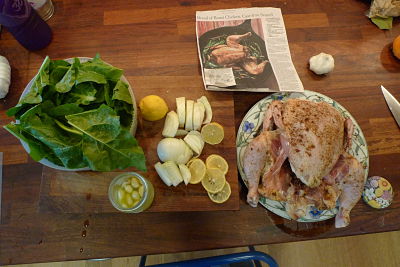
I thought of this today, trying a recipe by Melissa Clark for roast chicken that is supposed to be an easy way to get the whole chicken to cook quickly and evenly. It’s a little like spatchcocking, which is cutting the backbone out and laying the bird flat, but in this case, you just cut the skin of the legs so you can flatten the chicken into a very hot frying pan and roast it in a very hot oven.

The recipe called for ramps, a lovely spring vegetable. I don’t have ramps, but I had a lot of spinach from the garden, some fennel, an onion and some lemons, and I wanted to give it a try. The capers are a nice touch, but not essential. You could probably add a bunch of root vegetables in small chunks if you put them in earlier.

Continue reading “Rainy day projects”

Cheese straws

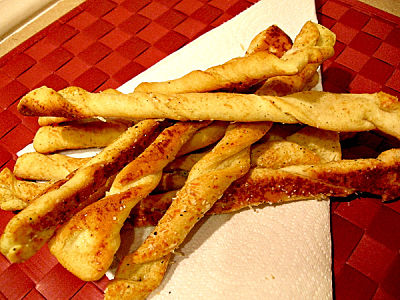
Twice now I’ve made these for friends’ open houses. They take a few minutes to make and are a big hit. The recipe is from Kevin Lee Jacobs–he has wonderful photos, too.  I use Dufour frozen pastry dough. I don’t know why Kevin calls these paillettes, but how can a French name be bad? Paille means straw in French, but pailletté means covered in sequins.  If you add sesame seeds, these are sequined straws.

Paillettes (Puff-pastry Cheese Straws)

Ingredients for about 30 cheese straws.
1 package (2-sheets) frozen puff pastry, thawed but still cold
1/2 cup finely grated Asiago (I used cheddar)
1 cup finely grated Swiss or Gruyere
1 teaspoon kosher salt
Grinds of black pepper

You can add any of these: black or golden sesame seeds, poppy seeds, caraway seeds; fresh or dried thyme; cayenne pepper, or whatever herb or seed appeals to you. And you can really use any cheese(s) you like. Continue reading “Cheese straws”

Corny

Corn is one of the few vegetables left with a true season–basically August. You might find a sweet ear or two earlier or later, but with corn, fresh-picked ripe ears are the real treat, and they’re available for about one month each year. I tried to grow corn last year, but learned that you need more sun and more space.

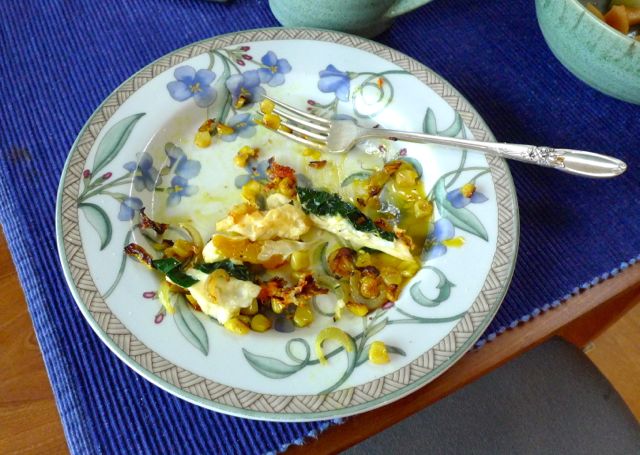
This year, I’ve been buying corn at the farmers’ market and adding it to almost everything. For example, a little fried onion, garlic, turmeric, corn and kale with an egg on top. I almost finished this before I remembered to snap a photo for you:

Continue reading “Corny”

Starting with a recipe

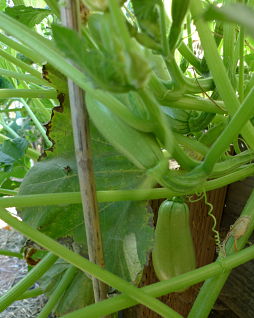
One of the blogs I read, Garden for the House by Kevin Lee Jacobs, often has recipes I try. This one, for zucchini fritters, is timely. Anyone who plants even one squash plant in their garden soon has more squash than they can use. In my case, I have several volunteer plants that aren’t exactly zucchini, in addition to the one zucchini I planted.

They are bountiful. Yesterday I made my second batch of zucchini fritters.  Kevin does a much more artistic job of walking you through recipes than I ever could, and I recommend  his basic recipe. I made it with gluten-free flour, which seems to require a little more flour than standard, just a couple of tablespoons. I also halve the recipe, which is makes enough fritters as a side dish for four people.

This time I added kernels from an ear of corn, half a red onion diced, and a couple of cloves of garlic. I used a bit of extra flour, and the additions made the fritters so good we had them three meals in a row. Yay, squash, keep on overwhelming me!


Eating locally?

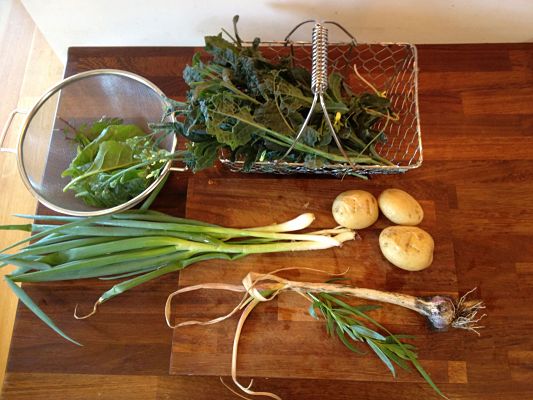
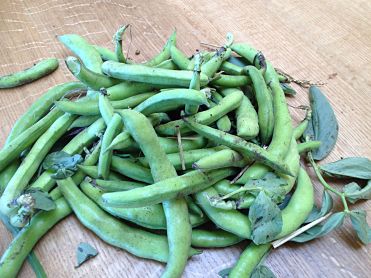
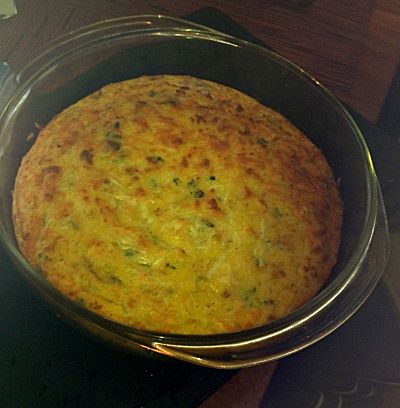
Today I made a frittata that came 100% from my back yard (if you include the shiitake mushrooms that came from my next door neighbor’s back yard). It had favas, kale, potatoes, mushrooms, scallions, green garlic, tarragon and garlic chives.

I was thinking about the amount of time it took to produce this simple meal, in terms of planting, tending, and harvesting, even before prep in the kitchen:

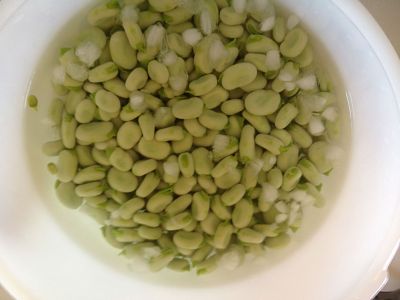
On that score, the favas took longest to prepare–shelling and peeling. I started with about twice this many pods (I didn’t think to take a picture till I was about half-way through shucking them) became  a small bunch of beans with the shell, which I threw into boiling water for a minute and then ice water, then peeled to yield this many green succulent beans: Continue reading “Eating locally?”

Mrs. Darbyshire

Forty-two years ago, we spent the summer in a little town outside Dublin with our then four-month old daughter. Larry would mostly take off during the day, which left me lots of time to become friendly with the curious neighbors. Mrs. Daryshire had the baby and me over for tea one day, and I loved her scones. I asked her for the recipe, and she said–like a true home cook–oh, no recipe, dear, just a little of this and a pinch of that. Eventually, she let me watch her make them. I recorded the ingredients and measures as best I could while she did. At the end, she threw a bit of flour into the bowl and rubbed it around to gather the bits of dough that had stuck.  Then she went out and threw this to the chickens. I was deeply impressed with the organic efficiency of it all, not to mention the scones.

Now, so many years later, I make my own scones, throwing the remnants to my chickens. Continue reading “Mrs. Darbyshire”

Preparing for Passover

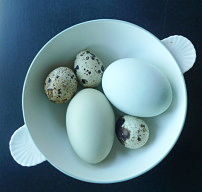
As the chickens begin to lay eggs in earnest, the spring festivals approach. It’s no accident that these events require a lot of eggs–in my house, we need them for Passover. My pale green Americana eggs go perfectly with the holiday, and I’m supplementing with quail eggs, as these should please the children especially and be fun to peel and dip in salt water. Continue reading “Preparing for Passover”

The morning after

Yesterday I posted David Tanis’ recipe for a gluten-free soufflé using mashed potatoes. We had a lot of leftover soufflé, and remembering what Chef Mahar did with the leftover risotto, I thought leftover soufflé was similar. So I put a little butter and some almond oil (I could have used olive oil, or canola, or any oil) in a pan and fried some slices of soufflé until they were crispy on two sides. Continue reading “The morning after”

Seedlings and a recipe


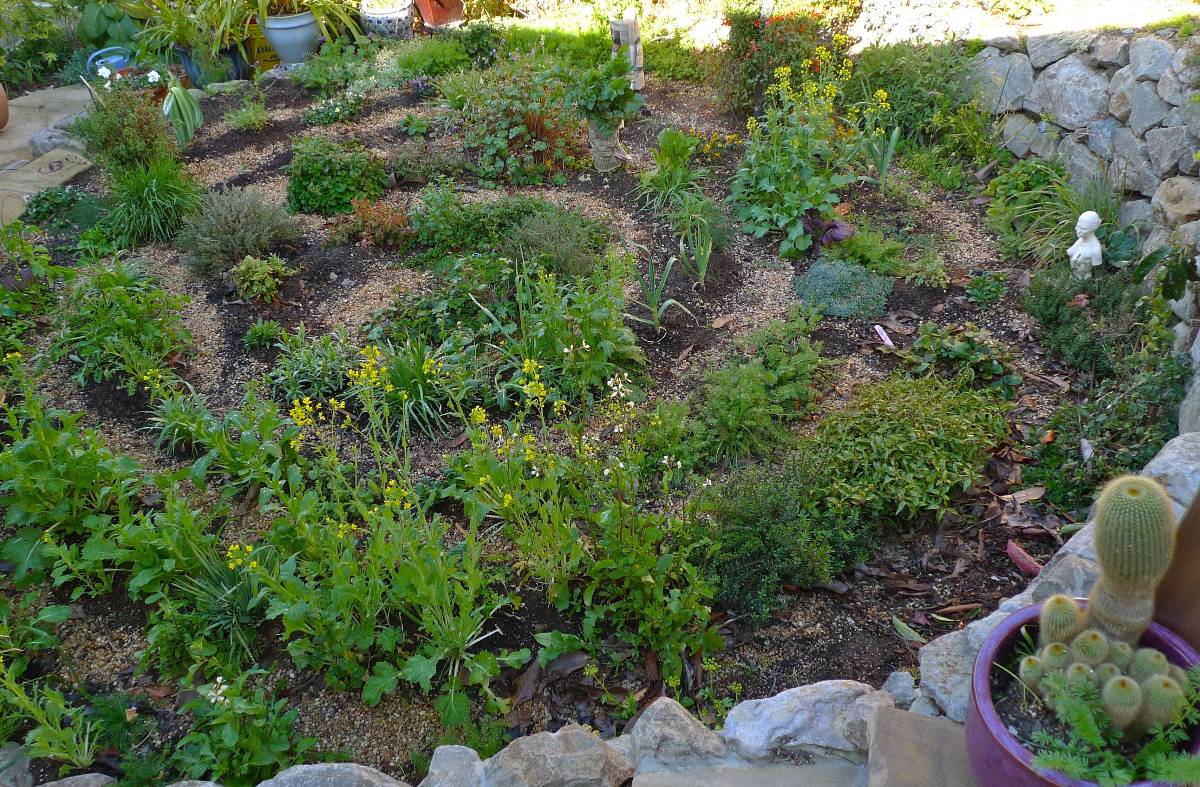
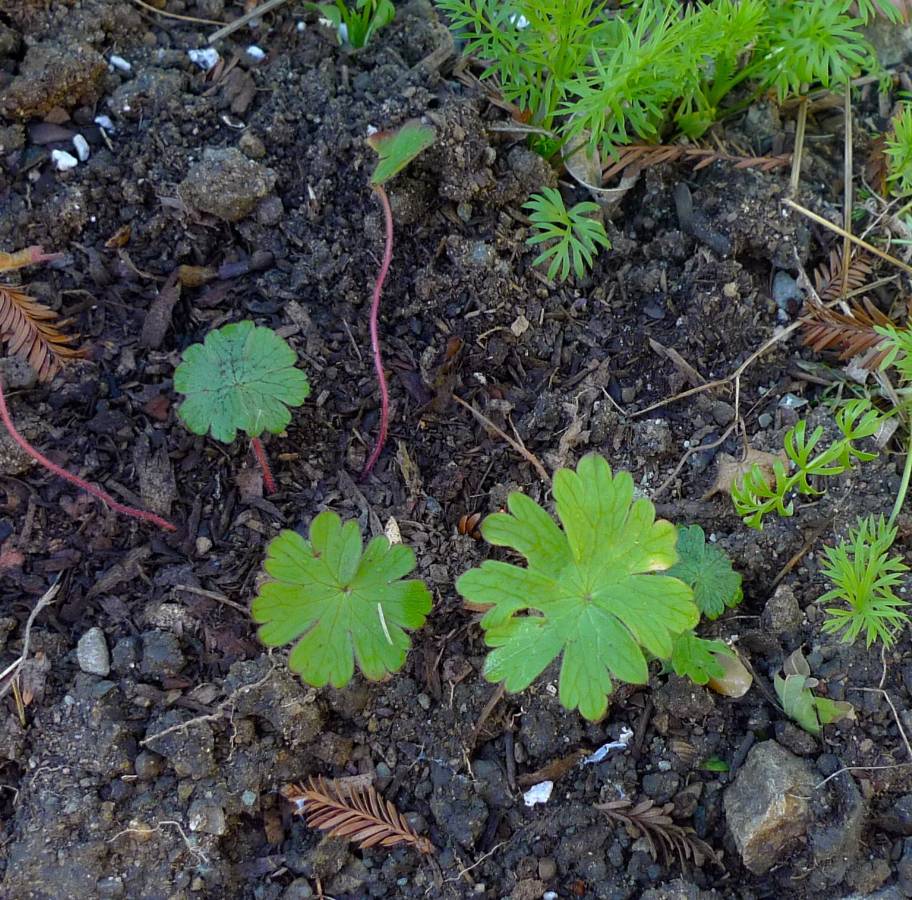
It’s full spring here in Northern California, with seedlings popping up on their own, seedlings planted for the garden, and a general rush of growth.  I went though the labyrinth and potted up a tray of small geraniums like this one that had self-seeded all over the paths, and took them along with some marigold and shiso seedlings to give away at the Kensington Farmers’ Market. They disappeared in about 20 minutes.

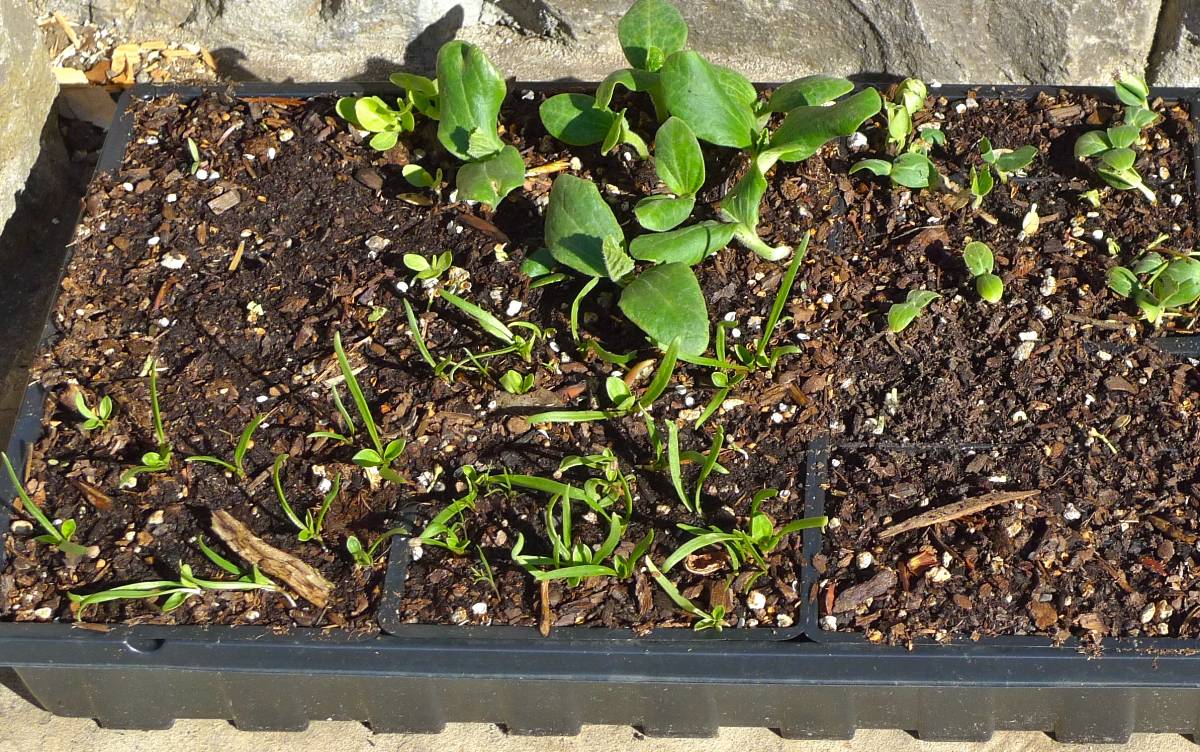
For my own garden I planted three kinds of carrots, and some early girl tomatoes in the ground, along with a tray of lettuce, coriander, spinach, squash, cucumbers, poppies and nasturtiums. The squash and spinach are almost ready to transplant.  The cucumbers and lettuce are a little slower, and the coriander and flowers haven’t really shown up yet.

Meanwhile, from Whole Foods I tried a package of “cheesy kale,” dried kale with a paste of cashews, red pepper, lemon juice and salt.  It was good, but pretty expensive.  I have a lot of kale in the garden, so decided to try to duplicate it.  I washed an dried the kale and spread it on a baking sheet, and blended about a cup of roasted cashews, 1/3 of a red pepper, juice of a lemon and a 1/2 teaspoon salt until it was a paste. I added about 1/4 cup of water along the way to help the process along. When it was smooth, I spread it over the kale: Continue reading “Seedlings and a recipe”

Inside or Out?

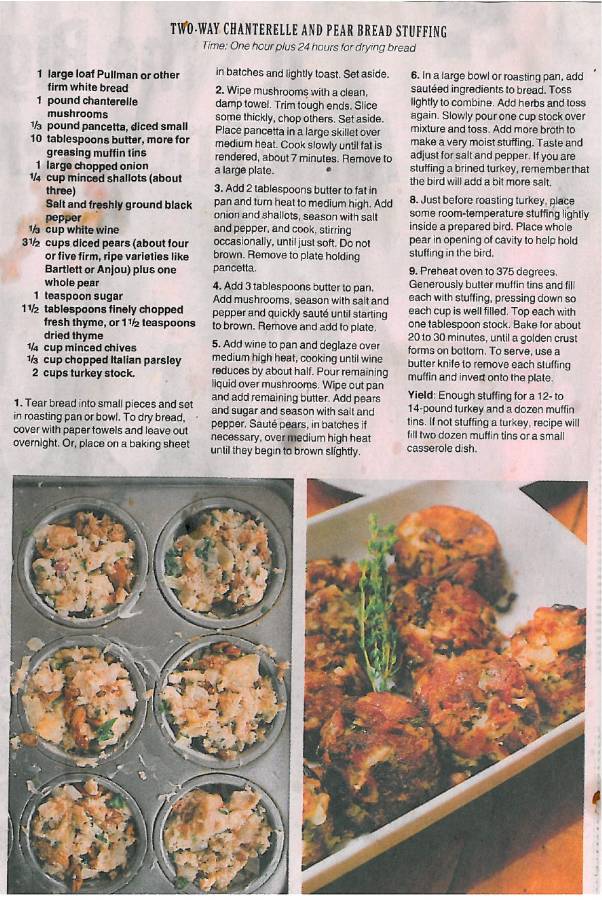
No, not Santa’s whiskers and the covers, but stuffing and the turkey. I’ve been making big holiday dinners for decades. Until I found and tested this recipe from the NY Times, I’ve always thought that stuffing had to be in the bird. It just didn’t have that special stuffing wonderfulness any other way. But since I tried this muffin cup stuffing, I’ve been a convert. It’s time consuming to make–takes over an hour to do the various things–but really worth it. I’m never going back. An extra plus: the bird cooks faster and more evenly without stuffing (sorry about the grease marks, they were well-earned):

Try it, it’s worth it.